
Democracy is built on a powerful idea: that people should have a voice in shaping the government under which they live. It rests on the belief that our future is not simply something that happens to us. It is something we help create through our choices, our actions, and our willingness to take responsibility for the common good.
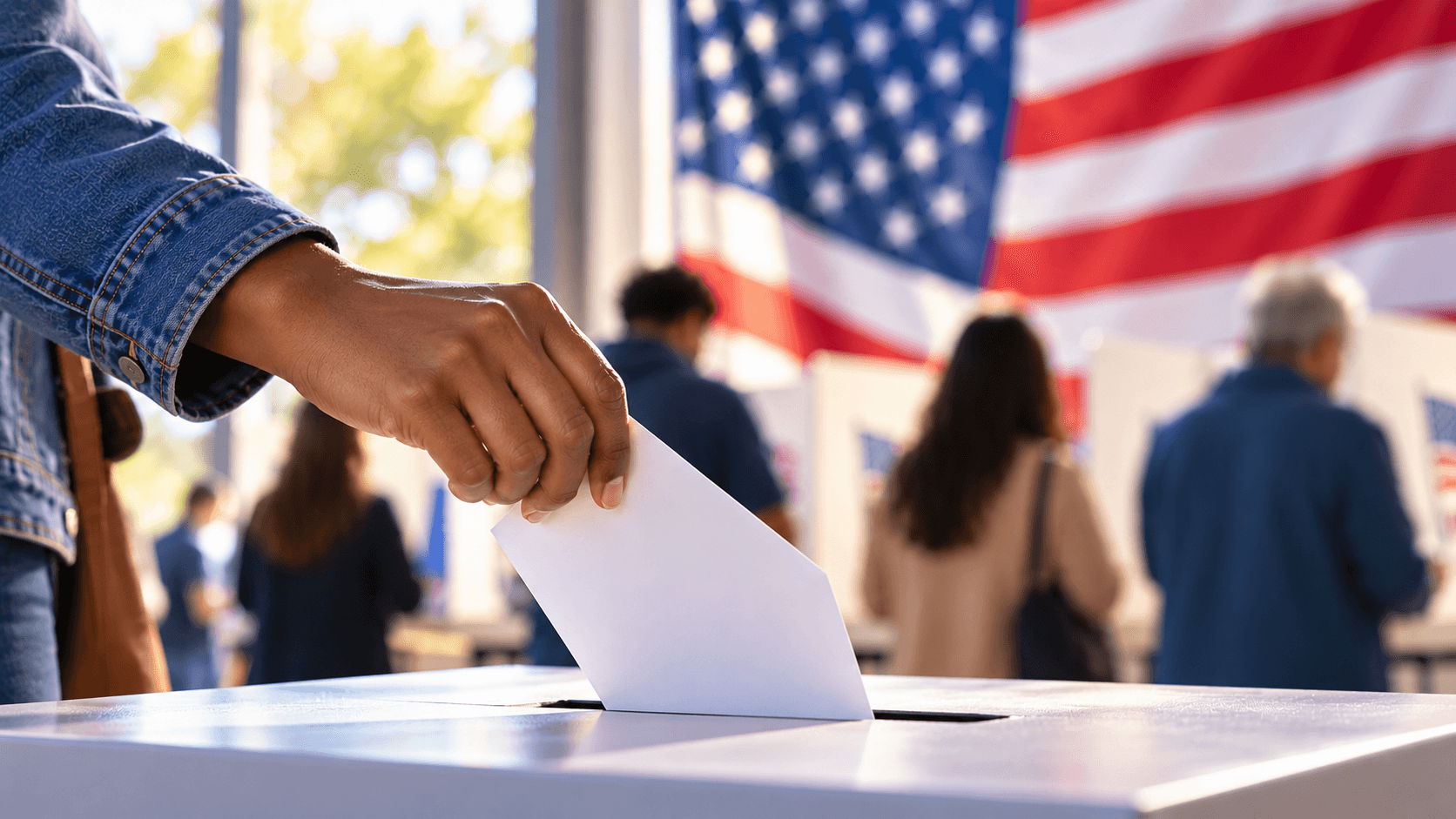
Voting is one of the most direct ways we exercise that responsibility.
An election is more than a contest between candidates or political parties. It is an opportunity to decide what matters to us, what direction we want our communities and our country to take, and what qualities we expect from those who represent us. It is a way to hold leaders accountable and to make our priorities heard.
No single vote can solve every problem. Elections do not guarantee the outcomes we hope for, and meaningful change rarely happens all at once. But the decisions made by elected officials affect our schools, our communities, our rights, our opportunities, and our future. Those decisions deserve our attention—and our participation.
The urgency of voting is not a reason to despair. It is a reason to act.
It is easy to become discouraged by political conflict, frustration with government, or the feeling that one person cannot make a difference. But withdrawing from the democratic process does not resolve those frustrations. It leaves decisions in the hands of those who do participate. If we want different priorities, greater accountability, or a different direction, we must be willing to help shape those outcomes.
Voting is not the only way to contribute to democracy. We also strengthen it when we stay informed, listen to people whose experiences and views differ from our own, ask difficult questions, engage in our communities, and insist that public officials respect the Constitution and the rule of law. These actions help create a society in which disagreement does not have to become division and differences can be addressed through peaceful, democratic means.
We will not always agree on what change should look like. A healthy democracy makes room for disagreement. It asks us to recognize that our fellow citizens may see the world differently, that public problems can be complicated, and that no political party or individual has all the answers. But disagreement need not diminish our shared responsibility for the future of our country.
That responsibility extends beyond any one election. The choices we make today help shape the country that future generations will inherit. We cannot ask them to value democracy if we treat participation as optional, or expect democratic institutions to endure if we are unwilling to take an interest in how they work.
We have reason to take our democracy seriously. We also have reason to believe that our actions matter. The right to vote gives us a voice; using that voice gives us a role in determining what comes next.
Change begins when people decide that their participation matters enough to make the effort. It continues when they remain engaged after Election Day, hold leaders accountable, and work with others to address the challenges their communities face.
Democracy is not sustained by hope alone. It requires participation, persistence, and a willingness to act—even when the outcome is uncertain.
Our democracy belongs to all of us. Its future is not guaranteed, but we each have a part in shaping it. Make your voice heard. Vote.